Searching for hardwood flooring in New York means accounting for significant seasonal temperature and humidity changes. From humid summers in New York City to cold winters in Buffalo and Albany, solid hardwood flooring must be properly acclimated and installed to maintain long-term stability. PremiumHardwood.com supplies 3/4 inch solid hardwood flooring including Solid Oak hardwood flooring, Acacia hardwood flooring, Brazilian Cherry (Jatoba) hardwood flooring, and Brazilian Teak (Cumaru) hardwood flooring with coordinated freight delivery throughout New York. With proper indoor humidity control, solid hardwood performs exceptionally well across New York homes.
We ship palletized hardwood flooring throughout:
Freight delivery is coordinated with scheduled residential windows and liftgate service when required. See Hardwood Flooring Delivery & Freight Guide for full logistics information.
Each species is selected for performance, milling precision, and grading consistency.

Classic, versatile, and architect-preferred. Oak remains the industry benchmark for residential hardwood flooring. It balances hardness, workability, and timeless appeal.
Learn more
Striking grain contrast with elevated hardness performance. Acacia delivers distinctive visual character while maintaining strong durability in high-traffic environments.
Learn more
Deep, rich red tones with elevated Janka hardness. Jatoba is ideal for luxury homes seeking warmth, density, and dramatic finish depth.
Learn more
Extremely dense and structurally stable. Cumaru offers bold grain and high dent resistance, making it one of the strongest solid hardwood options available.
Learn moreNew York experiences significant seasonal shifts.
Humid summers and heated indoor winters require stable indoor humidity control year-round.
Cold winters and dry indoor heating conditions increase the risk of shrinkage if humidity is not maintained.
Greater winter dryness requires careful acclimation before installation.
Because solid hardwood flooring naturally expands in humidity and contracts in dry conditions, acclimation and consistent indoor climate management are critical. See 3/4 Inch Solid Hardwood Flooring for structural thickness guidance.
White Oak hardwood flooring remains a strong choice for New York homes due to its balanced durability and neutral tone. Red Oak hardwood flooring is also common in traditional Northeastern interiors. Acacia solid wood flooring offers higher dent resistance for active households. Brazilian Cherry (Jatoba) Hardwood Flooring Guide provides warmth suitable for historic and luxury properties. Brazilian Teak (Cumaru) hardwood flooring offers exceptional hardness for high-traffic environments. For a full hardness comparison across species, review the Janka Hardness Scale Guide.
Material cost depends on:
Freight timelines across New York are typically 3–6 business days depending on metro location. For detailed pricing evaluation, review Hardwood Flooring Cost Per Square Foot and How Much Does Solid Hardwood Flooring Cost.
Because winters can create dry indoor air due to heating systems, humidity control is especially important during installation. Solid Oak Hardwood Flooring is typically installed using nail-down methods over plywood subfloor in climate-controlled environments. For labor cost factors, review Hardwood Flooring Installation Cost, Red Oak Hardwood Flooring.
These reviews remain fixed and specific to New York.
“Ordered White Oak for a Manhattan apartment renovation. Delivery coordination was smooth and boards were consistent in grade.”
“Installed Brazilian Cherry in a historic home. Boards acclimated well despite winter dryness.”
“Purchased Acacia for a family home remodel. Freight arrived on time and installation went smoothly.”
“Selected Cumaru for durability. Milling quality was excellent and boards handled seasonal changes well.”
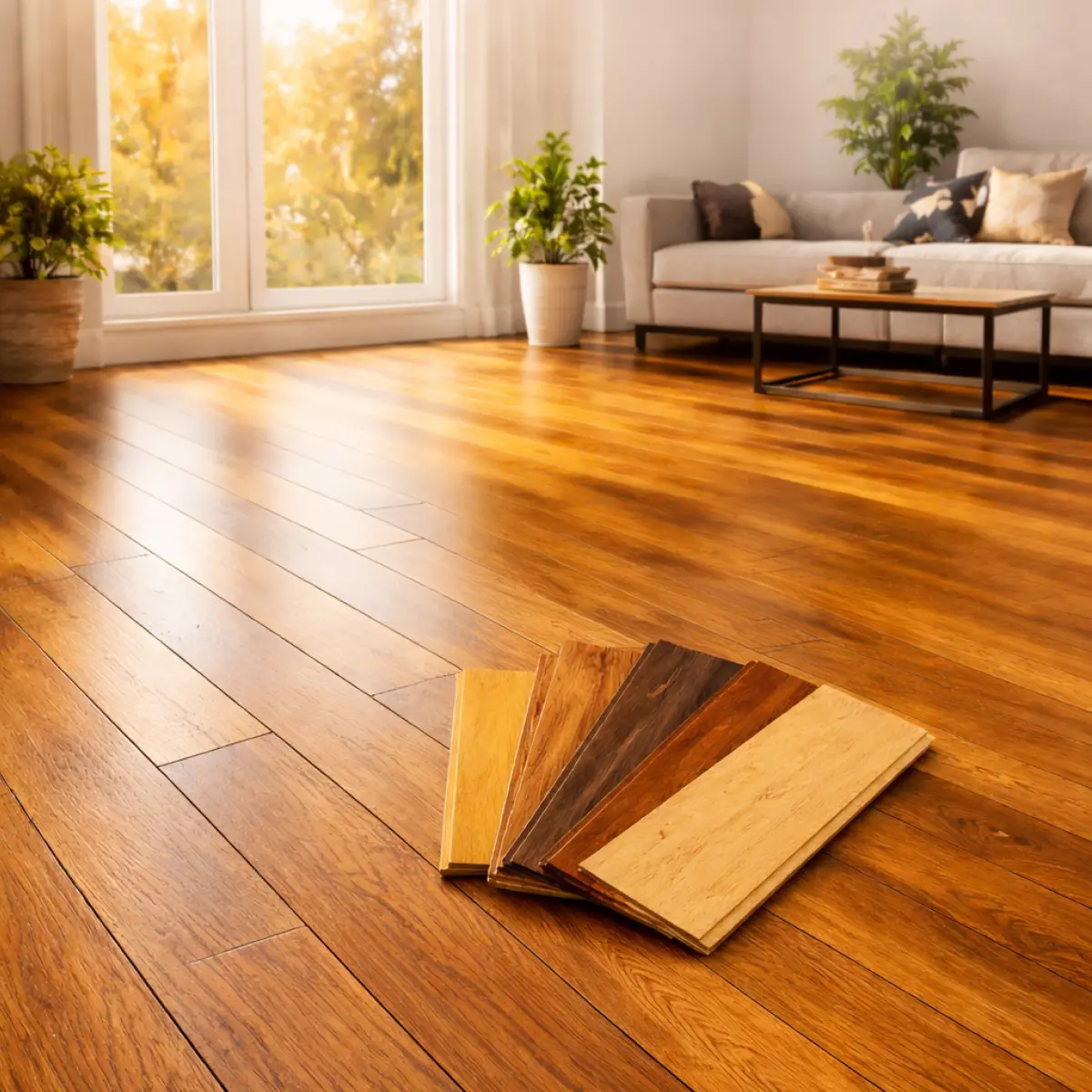
Because New York experiences strong seasonal variation, reviewing hardwood samples before purchase is highly recommended. Order Hardwood Samples to compare Oak, Acacia, Brazilian Cherry, and Cumaru under your home’s lighting conditions.