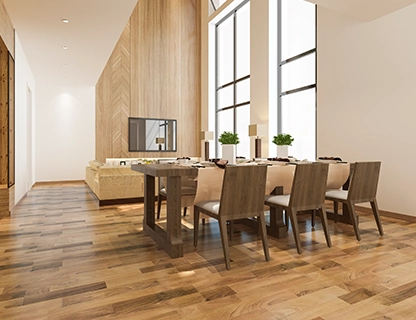
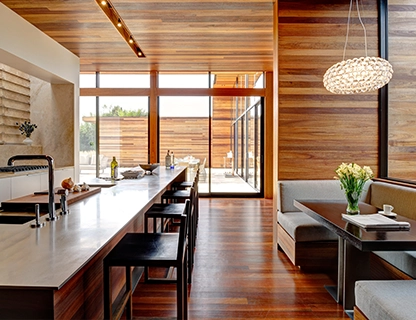
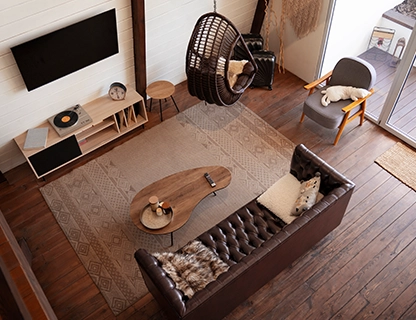
Solid hardwood flooring cost per square foot typically varies based on species, grade, plank width, finish, and freight distance. Premium solid hardwood such as Oak, Acacia, Brazilian Cherry (Jatoba), and Cumaru generally reflects differences in density and sourcing. Beyond material cost, total project pricing should include waste factor, freight delivery, and installation method. Standard 3/4 inch solid hardwood flooring remains a long-term investment due to its ability to be refinished multiple times and maintain structural integrity for decades. Understanding full delivered cost is essential before purchasing hardwood flooring.
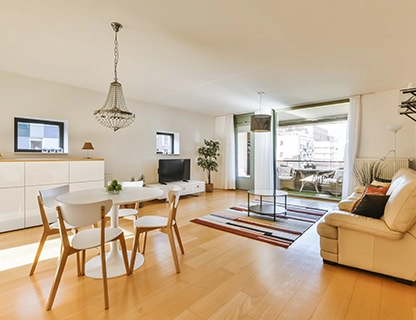
Material cost varies depending on species and grade.Domestic species such as Oak generally sit at the lower end of the premium hardwood category. Tropical hardwood species such as Jatoba and Cumaru reflect higher density and import sourcing, which may increase material pricing. Acacia typically falls between domestic Oak and tropical hardwood pricing. Final cost per square foot depends on total order volume and freight coordination.
Each species is selected for performance, milling precision, and grading consistency.

Classic, versatile, and architect-preferred. Oak remains the industry benchmark for residential hardwood flooring. It balances hardness, workability, and timeless appeal.
Learn more
Striking grain contrast with elevated hardness performance. Acacia delivers distinctive visual character while maintaining strong durability in high-traffic environments.
Learn more
Deep, rich red tones with elevated Janka hardness. Jatoba is ideal for luxury homes seeking warmth, density, and dramatic finish depth.
Learn more
Extremely dense and structurally stable. Cumaru offers bold grain and high dent resistance, making it one of the strongest solid hardwood options available.
Learn moreHarder and denser species typically cost more due to sourcing and milling requirements.
Each carries different hardness ratings and supply chain considerations.
Premium select grades with minimal knots and consistent color may carry higher pricing than character-grade boards with natural variation.
Wider planks require larger lumber cuts and may increase cost compared to narrower board formats.
Prefinished hardwood with aluminum oxide coatings may carry different pricing than unfinished boards prepared for site finishing.
Freight cost depends on delivery location, access, and liftgate requirements. Delivered pricing should always include transportation to the final address.
Material cost is separate from installation.
Installation pricing depends on:
Professional installation is recommended for dense species such as Jatoba and Cumaru.
Solid hardwood may have higher upfront material cost compared to some engineered products. However, its refinishing capability extends usable lifespan significantly. Over decades, refinishing can reduce the need for full floor replacement.
Species selection impacts both cost and long-term wear performance. Learn about wood durability and performance with our Janka hardness scale guide, helping you compare different hardwood species.
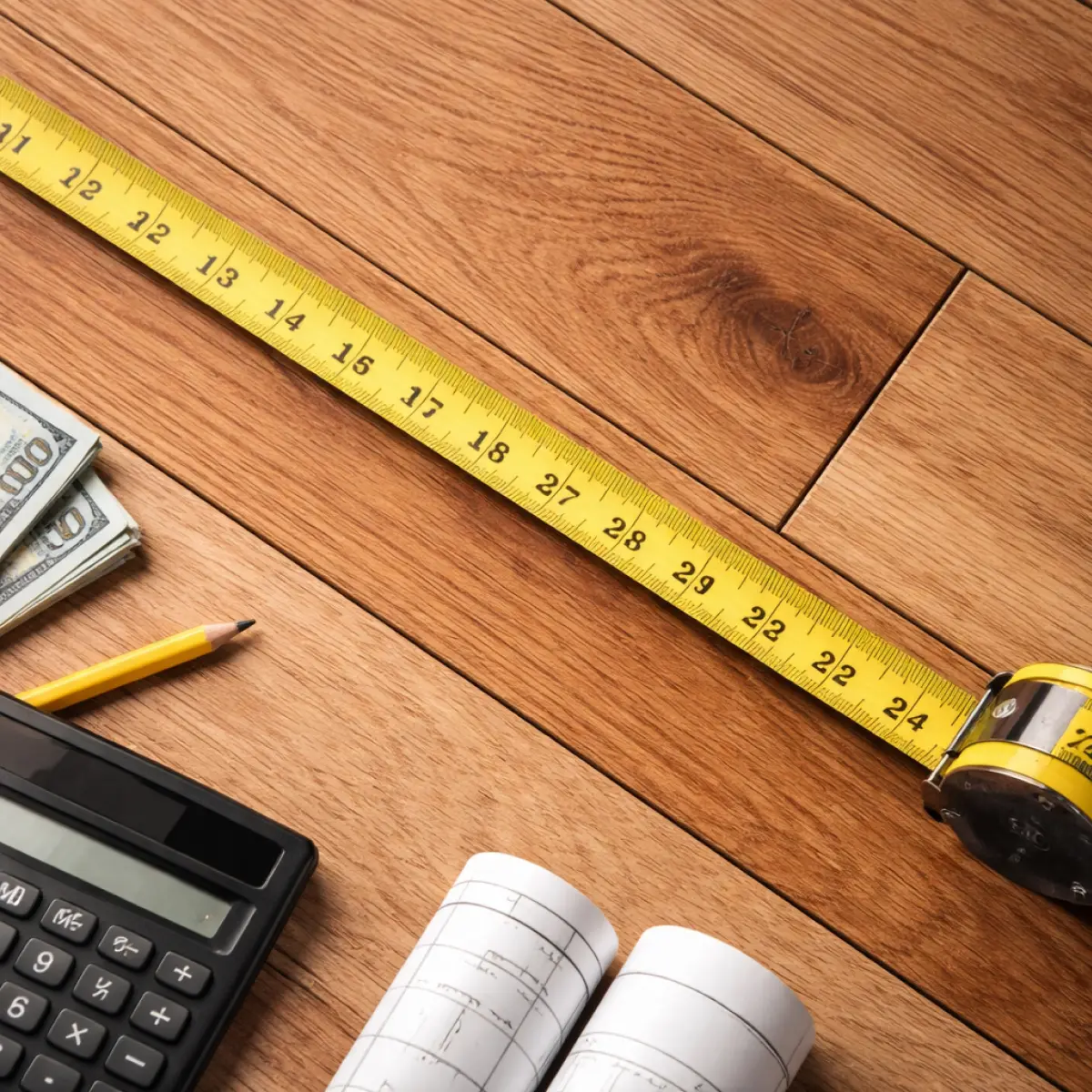
When calculating hardwood flooring cost, include an additional 5 to 10 percent for cutting and waste. Rooms with irregular layouts may require higher waste factors. Accurate square footage planning prevents under-ordering or excessive surplus. Discover the strength, stability, and timeless appeal of solid oak hardwood flooring, a trusted choice for long-lasting performance and classic design.
True cost per square foot should reflect:
Transparent pricing ensures buyers understand full project investment before purchase. Discover the most durable wood species in our hardest hardwood flooring guide, designed to help you choose long-lasting materials.
To receive accurate pricing, provide: Total square footage | Species selection | Delivery location | Preferred plank width