Solid hardwood flooring is made from a single piece of natural timber, typically milled to 3/4 inch thickness for structural durability. It offers long lifespan, multiple refinishing cycles, and strong resale appeal. However, it also requires proper acclimation and humidity control to prevent expansion or contraction. Compared to engineered flooring, solid hardwood generally provides greater longevity and structural strength, but installation method and environmental conditions must be carefully managed. Understanding both advantages and limitations helps homeowners choose the right flooring solution.
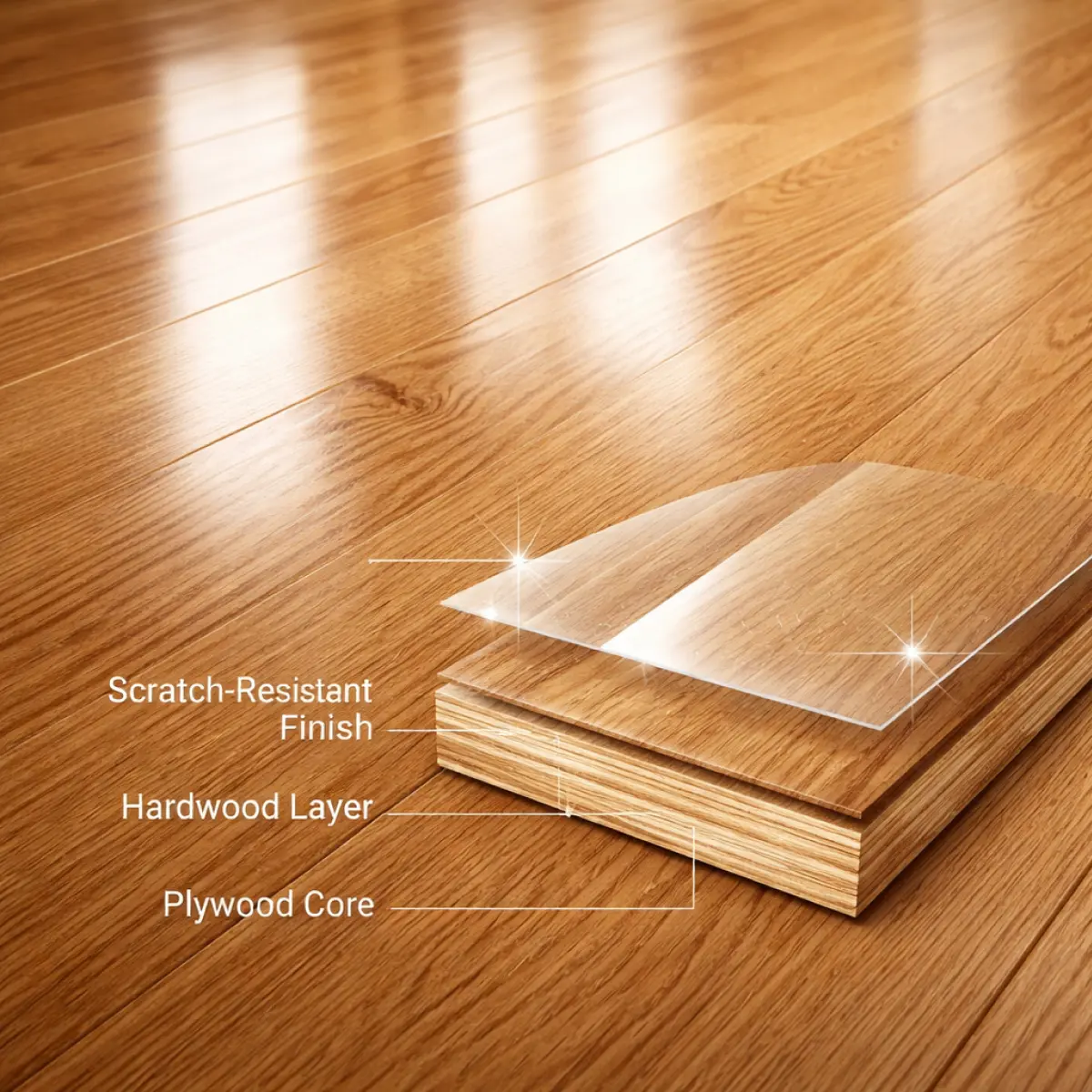
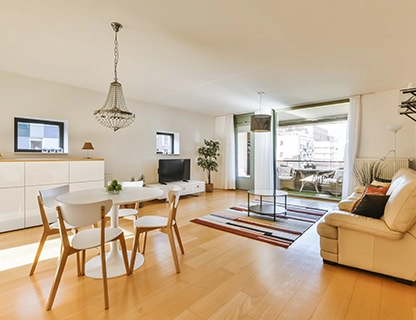
Solid hardwood flooring can last 50 years or more when properly installed and maintained.
Standard 3/4 inch thickness allows sanding and refinishing multiple times, extending usable life.
Homes with solid hardwood flooring are often perceived as higher value properties.
Authentic grain variation and natural wood character create timeless visual appeal.
Single-piece construction provides strong durability and mechanical fastening reliability.
Each species is selected for performance, milling precision, and grading consistency.

Classic, versatile, and architect-preferred. Oak remains the industry benchmark for residential hardwood flooring. It balances hardness, workability, and timeless appeal.
Learn more
Striking grain contrast with elevated hardness performance. Acacia delivers distinctive visual character while maintaining strong durability in high-traffic environments.
Learn more
Deep, rich red tones with elevated Janka hardness. Jatoba is ideal for luxury homes seeking warmth, density, and dramatic finish depth.
Learn more
Extremely dense and structurally stable. Cumaru offers bold grain and high dent resistance, making it one of the strongest solid hardwood options available.
Learn moreSolid wood expands and contracts with humidity changes, requiring proper acclimation.
Typically installed using nail-down methods over wood subfloor.
Premium hardwood species may reflect higher material pricing compared to some alternatives.
All hardwood floors can scratch under certain conditions without proper maintenance.
You can order hardwood samples to see and feel the quality before making your final decision.
Each has advantages depending on application.
Solid hardwood offers:
Engineered hardwood may offer:
For long-term homeowners, solid hardwood often provides strong return on investment due to:
When properly maintained, it remains one of the most durable residential flooring options. Explore our detailed guide on hardwood flooring price per square foot to better understand current costs and budgeting.
Different species influence durability and appearance.
Balanced hardness and versatility
Higher dent resistance with bold grain
High hardness and rich color
Extremely dense with superior dent resistance